
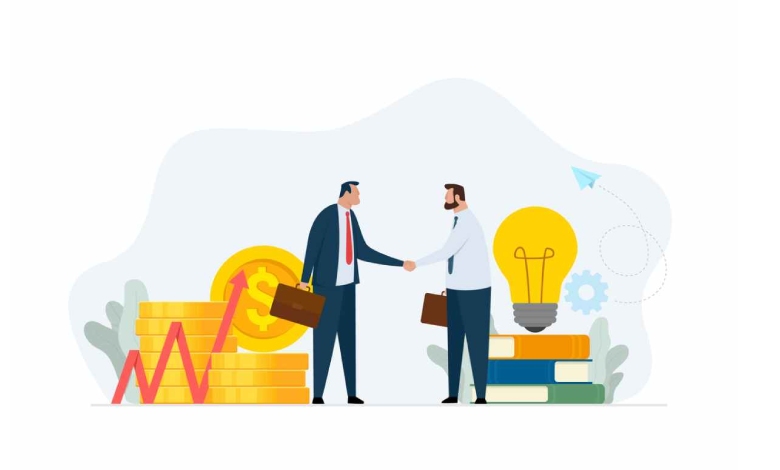
According to a 2024 HubSpot report, businesses whose marketing and sales teams work in alignment experience 27% faster growth and 36% higher customer retention rates compared with businesses that manage these functions separately. Yet one of the most common questions asked by small and medium-sized business owners is: What exactly is the difference between marketing and sales? Aren’t they essentially the same thing?
What Is Marketing?
Marketing is the process of creating interest, awareness, and trust in the minds of potential customers who have not yet decided to make a purchase.
Marketing answers questions such as:
- Who is our customer?
- What problem do they have that we can solve?
- How can we make them aware of our business?
- How can we earn their trust before they spend even a single rial with us?
An Iranian Example: Consider a newly opened café in Tehran. The café publishes Instagram Reels showcasing its atmosphere and coffee, collaborates with local influencers, and ranks on Google for searches such as “best café near Vanak Square.” All of these activities are marketing. The customer has not visited yet, and no money has changed hands.
What Tools Does Marketing Use?
- Content & SEO: Blogs, articles, videos, and podcasts
- Social Media: Instagram, LinkedIn, and YouTube
- Targeted Advertising: Google Ads and Instagram advertising
- Email Marketing: Nurturing leads over time
- Branding: Visual identity, brand messaging, and positioning
What Are Marketing KPIs?
Unlike sales, marketing does not produce immediately visible results, which is why having accurate measurement criteria is particularly important. The most important Key Performance Indicators (KPIs) in marketing include: website traffic, which shows how many people have entered the website through different channels (organic, advertising, social media); the number of leads or Lead, which determines how many of these visitors have provided their contact information or expressed interest; Engagement Rate on social media, which measures the audience’s genuine response to the content; Brand Awareness, which can be tracked through the volume of searches for the brand name on Google, mentions, and direct feedback; Cost Per Lead (CPL), which shows how much has been spent to acquire each interested audience member; and finally, Landing Page Conversion Rate, which determines what percentage of visitors have converted into leads. The important point here is that none of these metrics is sufficient on its own; high traffic with a high CPL means the budget is being wasted, and a high Engagement Rate without an increase in Leads means the content is entertaining rather than converting.
What Is Sales?
Sales is the process of converting an interested prospect into an actual customer who makes a purchase.
Sales answers questions such as:
- Will this interested prospect actually buy?
- What is preventing them from making a purchase?
- How can we close the deal?
- How can we retain the customer?
An Iranian Example
Let’s consider the same café. When a customer walks into the café, the server talks with them, recommends the dessert of the day, explains the benefits of the loyalty program, and encourages them to return for a second visit. All of these activities are part of the sales process.
What Tools Does Sales Use?
- Phone Calls & In-Person Meetings
- CRM Follow-Ups
- Proposals & Negotiations
- Objection Handling
- Upselling & Cross-Selling
What Are Sales KPIs?
Unlike sales, marketing does not produce immediately visible results, which is why having accurate measurement criteria is particularly important. The most important Key Performance Indicators (KPIs) in marketing include: website traffic, which shows how many people have entered the website through different channels (organic, advertising, social media); the number of Leads, which determines how many of these visitors have provided their contact information or expressed interest; Engagement Rate on social media, which measures the audience’s genuine response to the content; Brand Awareness, which can be tracked through the volume of searches for the brand name on Google, mentions, and direct feedback; Cost Per Lead (CPL), which shows how much has been spent to acquire each interested audience member; and finally, Landing Page Conversion Rate, which determines what percentage of visitors have converted into leads. The important point here is that none of these metrics is sufficient on its own; high traffic with a high CPL means the budget is being wasted, and a high Engagement Rate without an increase in Leads means the content is entertaining rather than converting.
What Is Sales?
Sales means converting an interested audience into a real customer who pays.
Sales answers these questions:
- Does this person who has expressed interest actually buy?
- What obstacle is preventing them from making a purchase?
- How do we close the deal?
- How do we retain the customer?
Iranian example: Consider the same café. When a customer enters the café, the waiter talks to them, recommends the cake of the day, explains the loyalty card discount, and encourages the customer to come back for a second visit. All of these are sales.
What Tools Does Sales Use?
- Phone calls and in-person meetings
- CRM follow-ups
- Proposal presentation and negotiation
- Customer objection management
- Upselling and Cross-selling
What Are Sales KPIs?
Unlike marketing, which focuses on acquisition and awareness, success metrics in sales are directly tied to revenue and financial transactions. The most important Key Performance Indicators in sales include: Conversion Rate, which shows how many people out of every 100 leads that entered the sales funnel ultimately made a purchase; this figure directly indicates the quality of the sales process; Average Order Value, which determines how much each customer spends on average and serves as a foundation for Upsell and Cross-sell strategies; the number of closed contracts, which is a direct and straightforward measure of the sales team’s performance over a specific period; and Sales Cycle Length, which shows how much time it takes from the first contact with a customer until the contract is closed; the shorter this number is, the more efficient the sales team is.
Monthly Revenue (MRR), which indicates the overall health of the business; and Churn Rate, which determines what percentage of customers did not return after their first purchase, because retaining an existing customer is always less expensive than acquiring a new one. Paying attention to these metrics together provides a more accurate picture. A high conversion rate with a long sales cycle means the sales team is performing well, but the process is complicated; high revenue with a high Churn Rate means growth is built on sand rather than stone.
A Common Mistake Among Iranian Businesses
When working with Iranian small and medium-sized business owners, two opposite but equally damaging mistakes are frequently seen:
Mistake One: They Consider Everything “Sales”
Many businesses think that “marketing” means “hiring a salesperson to go out into the streets and sell products.” As a result:
- They produce no content
- They do nothing to build their brand or establish trust
- No new leads enter the funnel
- Salespeople have to start from scratch, become exhausted, and leave
The result: growth without infrastructure. When good salespeople leave, the business suffers.
Mistake Two: They Consider Everything “Marketing”
Some businesses take the opposite approach and focus only on content, SEO, and digital advertising, but:
- They have no clear process for following up with leads
- A customer becomes interested, but no one follows up
- The product offering is weak
- They do not know how to negotiate and close deals
The result: the cost of acquiring leads is high, but the conversion rate is low, resulting in wasted money.
Theodore Levitt, the legendary professor of the Harvard Business School and author of the classic article “Marketing Myopia,” stated that companies do not lose their customers; they abandon them. Excessive focus on the product and sales, without paying attention to the real needs of the market, is a major factor behind business failure.
What Is Smarketing? The Hot Trend of 2025
Smarketing is a combination of “Sales + Marketing”—a model in which the sales and marketing teams do not operate as two separate departments, but rather work together as a coordinated engine.
This concept has gained significant attention in recent years because:
- The line between sales and digital marketing has become blurred (online sales = marketing + sales at the same moment)
- Today’s customers have completed 70% of their research before contacting a salesperson
- Artificial intelligence and automation have made coordination between the two functions more achievable
How Does Smarketing Work?
In the Smarketing model:
Marketing provides Sales with:
- High-quality leads (Marketing Qualified Lead = MQL)
- Customer behavioral information (which pages they viewed and which content they read)
- Tested messages that audiences have responded to
Sales provides Marketing with:
- Real feedback on customer objections
- Information gathered during meetings
- Real reasons for purchasing or rejecting an offer
According to the LinkedIn B2B Marketing Report 2024, companies that have implemented Smarketing have generated 208% more revenue from marketing channels.
Marketing Without Sales = Throwing Money Away
Imagine spending 20 million tomans per month on advertising and content, with 100 people filling out a contact form, but no one follows up with them; Instagram DMs take three days to receive a response; when a customer calls themselves, they do not receive sufficient information; and there is no clear proposal either. The result? All that advertising budget has been wasted—not because of weak marketing, but because there is no sales process. Marketing is the fuel for the engine; but without a sales engine, the fuel burns and the car does not move.
Sales Without Marketing = Running Blind
Now imagine that you have a strong sales team. But:
- No new customers are entering the funnel
- You have to start with Cold Calls
- You do not have a well-known brand, so trust has to be built from zero
- Each salesperson has to handle the entire journey on their own
The result: Salespeople become tired and burned out. The sales team’s turnover rate increases.
Sales without marketing is like proposing to someone who does not even know you. You may succeed, but your chances are much lower.
How Can You Align Marketing and Sales?
Step One: Establish a Shared Definition of a “Sales-Ready Lead”
The biggest conflict between marketing and sales happens here: Marketing thinks it is delivering leads, while Sales thinks the leads are low-quality.
The solution: Clearly define on paper what characteristics a lead must have before being transferred to the sales team (budget, company size, purchase readiness, etc.).
Step Two: Use a Single CRM for Both Teams
When marketing and sales each use separate tools, information gets lost. A single CRM platform—such as HubSpot, Bitrix24, or even a structured Google Sheet—is sufficient for small businesses.
Step Three: Hold a 30-Minute Weekly Meeting
Marketing should explain which campaign is currently running. Sales should share the objections they are hearing from customers. This exchange of information is one of the most affordable and effective things you can do.
Step Four: Align Content with the Sales Process
Marketing content should answer the questions customers ask during sales meetings. If 80% of your customers ask, “How is the pricing?” write an article about pricing.
Step Five: Use Artificial Intelligence to Build the Bridge
Tools such as ChatGPT, Gemini, or marketing automation tools can:
- Automatically send follow-up emails
- Transfer customer behavior on the website to the CRM
- Generate personalized content for each stage of the funnel
This trend is growing rapidly in 2025, and businesses that adopt it earlier will gain a real competitive advantage.
Conclusion: Two Wings of the Same Bird
Marketing and sales are neither enemies nor the same thing. They are two wings of the same bird:
- Marketing says: “We are here, we can solve this problem, trust us.”
- Sales says: “Let’s solve this problem together—now.”
For a small or medium-sized business, you do not need two large teams. But you do need two mindsets: the long-term mindset of marketing (building trust, awareness, and content) and the short-term mindset of sales (follow-up, negotiation, and closing deals).
Businesses that combine these two functions effectively not only sell more, but also achieve more sustainable growth.