limooshirin News & Articles

Limooshirin keeps you connected to the world of advertising by sharing the latest news and articles.

طراحی و اجرا ربات ایران یار

Design and Implementation of the IranYaar Bot

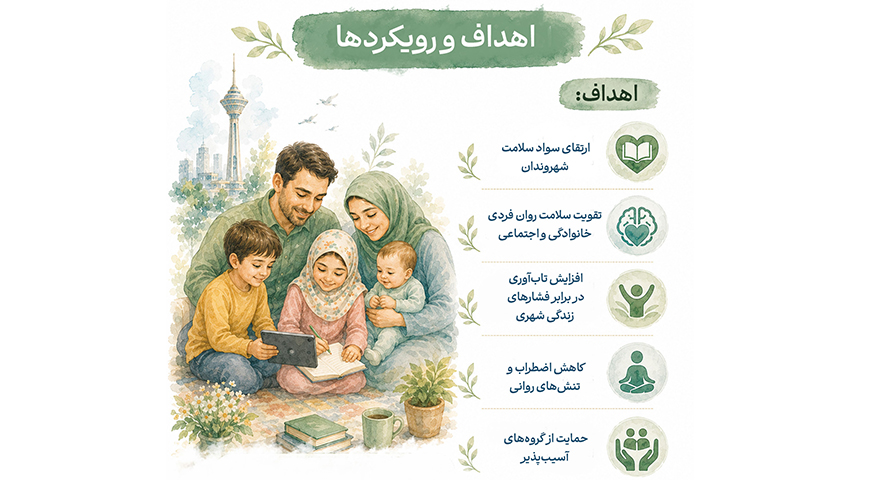
At a time when psychological pressures caused by various crises can significantly affect the mental well-being of Iranian families, providing quick and accessible access to educational resources and psychological support has become increasingly important. In response to this need, the Tehran Municipality’s General Directorate of Health, in collaboration with the Ministry of Health and Medical Education, launched the IranYaar Campaign under the slogan “Life Continues, Together with Empathy.”

What Is IranYaar?

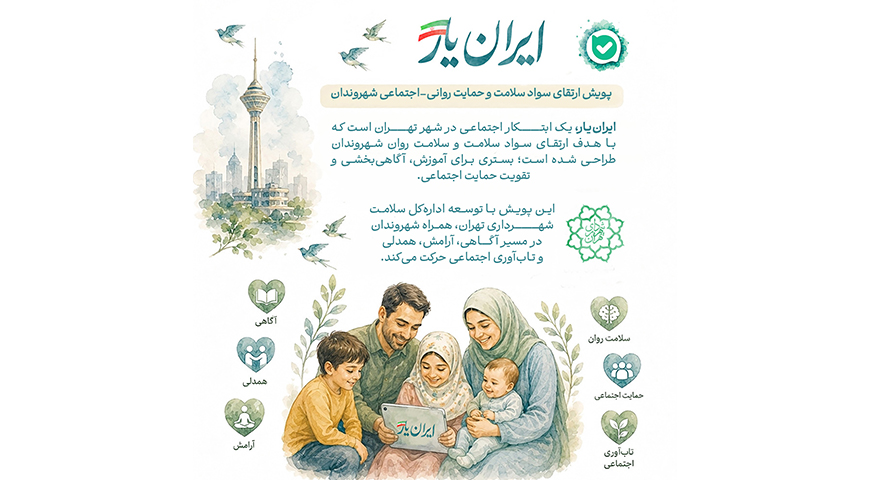
IranYaar is an educational and support platform focused on mental health, designed to increase mental health literacy, promote self-care, and facilitate access to psychological and social support resources.

The campaign delivers educational content through a variety of formats, including audio and video content, motion graphics, written materials, and expert discussions.

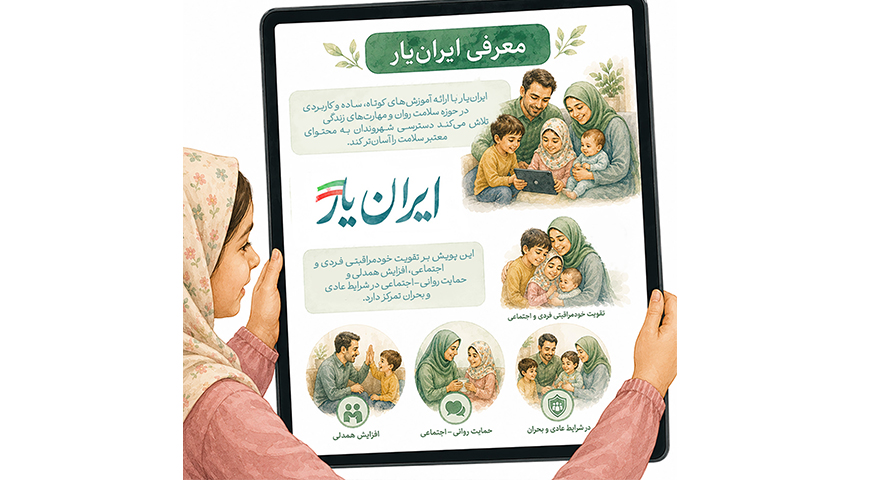
At the core of the campaign is the IranYaar Interactive Bot, launched on the Bale messaging platform. The bot provides an interactive environment that enables users to engage with relevant content and access resources based on their individual needs. It was specifically designed to address the needs of diverse audiences, including older adults, pregnant women, people with disabilities, and families with children and adolescents.

Through an interactive onboarding process, users navigate a personalized journey based on their needs and selections, allowing them to access relevant educational content, self-care resources, and available support services.

IranYaar Bot Designed and Implemented by LimooShirin

LimoiShirin Digital Marketing Agency was responsible for the design and implementation of the IranYaar Interactive Bot.

The project went beyond simply developing a messaging bot. A comprehensive approach was taken to design the user journey, interaction architecture, content structure, and overall user experience, ensuring that users could easily navigate the platform and access the information and resources relevant to them.

طراحی و ساخت توسط آژانس دیجیتال مارکتینگ لیموشیرین

Unique Features of the IranYaar Bot

What sets the IranYaar Bot apart from similar platforms is its personalized, user-centered approach. From the moment users enter the bot, they are guided through a series of questions designed to assess their current emotional state and needs. Based on their responses, the bot offers five distinct pathways, each tailored to a different situation. Whether a user feels exhausted, is concerned about their family, feels anxious, wants to talk to someone, or wants to support others, IranYaar provides dedicated content and support pathways for each scenario.

These services are delivered through a variety of formats, including podcasts, visual messages, written content, motion graphics, interactive Q&A, and text-based counseling. The bot goes beyond education by also providing access to telephone counseling, messaging-based support, and referrals to specialized support centers.

Supporting Families, Not Just Individuals

Another key feature of the IranYar Bot is its focus on family well-being, rather than limiting support to the individual user.

A dedicated section titled “Worried About Your Family?” allows users to seek guidance and resources for different family members across various age groups and circumstances. From children and adolescents to older adults and individuals facing specific challenges or limitations, family members can access relevant resources through the platform.

Launch During a Time of Crisis

Hamid Saheb, Director General of the Tehran Municipality’s Health Department, officially announced the launch of the IranYaar Bot during a press conference held as part of National Health Week. Referring to the challenging circumstances facing society and the psychological pressures resulting from various crises, including the recent war, he emphasized the significant impact of ongoing stress and uncertainty on family mental health. He noted that from everyday stress to major crises, psychological pressures can seriously affect the mental well-being of families, while the consequences of war and an atmosphere of anxiety, fear, and insecurity have further intensified these challenges.

Mohammad Moradi, Deputy Director of Urban Health at the Tehran Municipality’s Health Department, also explained that these challenges require scientific, practical, and accessible solutions. According to him, this was the underlying rationale behind the development of IranYaar: to promote a culture of self-care among citizens and provide educational services that are credible, accessible, creative, and hope-oriented.
رونمایی در شرایط بحرانی

Offline Activities and Distribution of Printed Content

Saheb also highlighted the project’s offline initiatives, emphasizing that its activities are not limited to digital platforms. He explained that in crisis situations, particularly during wartime, internet access and digital platforms may experience disruptions. To address this challenge, nearly one million copies of educational materials covering at least 22 different topics have been printed and distributed across urban public spaces.

User Data Confidentiality

The Director General of the Tehran Municipality’s Health Department also emphasized the importance of protecting users’ privacy, stating that all information collected from citizens through the IranYaar Bot is strictly confidential and will not be publicly disclosed or registered elsewhere.

However, certain aggregated and anonymized insights may be used, without compromising users’ confidentiality, to better understand citizens’ needs and support more effective planning and service delivery.

Accessing the IranYaar Bot

Citizens can access mental health services and educational resources through the IranYaar website or interact with the “Iranian Empathy Network” bot on the Bale messenger.

This intelligent platform represents an important step toward making mental health support more accessible to the public and strengthening social resilience during times of crisis.

Confirmation by Official Sources

The launch of the IranYaar Bot and the “Life Continues, With Empathy” campaign has been reported and confirmed by several official Iranian news agencies and media outlets. IRNA, Mehr News Agency, Tasnim, and Fars News Agency have independently covered the initiative, while Hamshahri Online also published detailed coverage of the press conference held by the Director General of the Tehran Municipality’s Health Department. This broad media coverage highlights the significance of the initiative in the field of public mental health and reflects the national importance of the project.

CTA یا کال تو اکشن چیست؟

What Is a CTA or Call to Action?

When you search online for a product or service, you have likely come across buttons that encourage you to take a specific action: Buy Now, Sign Up for Free, or Get a Consultation. These buttons, known in digital marketing as Call to Action, or simply CTA, serve as the bridge between your content and the customer’s final decision.

But why do some of these buttons get clicked while others are simply ignored? How can you design a CTA that actually delivers results? In this article from LimooShirin Digital Marketing Agency, we take an in-depth look at Call-to-Action buttons, the principles behind effective CTA design, and optimization strategies that can help you significantly increase your website’s conversion rate.

What Exactly Is a CTA and What Role Does It Play in the Sales Journey?

A Call to Action (CTA) is a key element of website design and digital marketing campaigns that guides visitors toward taking a specific action. This action could be purchasing a product, subscribing to a newsletter, downloading a file, requesting a consultation, or even watching a video.

A CTA typically appears as a colored button, a highlighted text link, or an interactive banner. Common CTA phrases include:

  • Sign Up
  • Buy Now
  • Get a Free Consultation
  • Learn More
  • Download the Catalog

These buttons play a critical role in your sales funnel, helping determine whether a visitor becomes a customer or leaves your website.

CTA دقیقاً چیست و چه نقشی در مسیر فروش دارد؟

Why Is Using a CTA Essential for an Online Business?

You may wonder whether it is really necessary to create a specific button for every desired action. The answer is a clear yes. The following reasons explain why CTAs are so important:

1. The Sales Funnel Is Incomplete Without a CTA

Every online business has a defined journey for guiding customers from awareness to purchase. Your content may be excellent, but if visitors do not know what to do next, the likelihood of them leaving your website increases. A CTA plays exactly this role: guiding users through the conversion journey. For example, if you have written an article about the benefits of a product, a View Product or Buy Now with a Special Discount button can direct visitors straight to the purchase page.

2. Users Need Clear Guidance

Online audiences are constantly exposed to large amounts of information and have limited time to make decisions. A clear and compelling CTA tells them: this is the action you should take next. This simple but powerful guidance can make the difference between an ordinary website visit and a successful conversion.

3. Digital Advertising Can Be Ineffective Without a CTA

In advertising campaigns such as Google Ads, Instagram Ads, or email marketing, you have limited space and time to capture your audience’s attention. A strong CTA can be the difference between getting a click and being ignored. Without a clear invitation to take action, even the most well-designed advertising campaign may fail to deliver the desired results.

How to Create an Effective and Compelling CTA

Creating a CTA button that truly delivers results requires attention to detail and a solid understanding of user behavior. Below are the key principles of designing a professional CTA:

1. Use Strong and Action-Oriented Verbs

The language of your CTA should be direct, clear, and motivating. Instead of generic phrases such as “Click Here,” use wording that communicates your value proposition:

  • Get Started Now
  • Get 30% Off
  • Get a Free Consultation
  • Download the Catalog Now

These phrases not only clearly communicate the desired action but also give users a reason to click.

2. Personalize Your CTA and Speak Directly to Your Audience

Using words such as “you” or “my” can create a sense of personalization and increase conversion rates. For example:

  • I Want My Free Gift
  • Reserve My Seat
  • Start My Free Trial

These types of phrases make users feel that the offer has been designed specifically for them.

3. Don’t Underestimate the Power of the Word “Free”

Research suggests that adding the word “Free” to a CTA can significantly increase click-through rates. Examples include:

  • Download the Free Guide
  • Get a Free Consultation
  • Sign Up for Free — No Credit Card Required

The word “free” reduces the perceived risk for users and encourages them to try the offer.

4. Know Your Target Audience

Every industry and audience has different needs and expectations. A successful CTA should align with your audience’s language, needs, and pain points. For example:

  • For an online store: Shop with Free Delivery
  • For a consulting agency: Book a Consultation
  • For an educational blog: Download the Free Checklist

5. Create a Sense of Urgency

Time or quantity limitations can encourage users to make decisions faster. Examples include:

  • 50% Off — Today Only
  • Only 10 Left
  • Special Offer Until the End of the Week

This technique is particularly effective for seasonal promotions or limited-stock products.

Three Golden Rules for CTA Visual Design

Text is only one part of the equation. The visual design of your CTA button plays a critical role in capturing attention and increasing click-through rates.

1. Strategic Placement

Your CTA should be placed where it can be easily noticed. Commonly effective locations include:

  • Above the Fold: Where users can see it without scrolling
  • At the End of the Main Content: After the user has received enough information to make a decision
  • Next to Engaging Visuals: To attract visual attention

You can also use multiple CTAs on a single page, provided they have a clear purpose and a well-defined hierarchy.

2. Distinctive and Engaging Visual Design

The color, size, and shape of the button should distinguish it from the other elements on the page:

  • Color: Use colors that contrast with the background. For example, if your website is primarily blue, an orange or green button can stand out.
  • Size: The button should be large enough to be noticeable without becoming distracting, but not so small that users overlook it.
  • White Space: Leave enough space around the button so the user’s eye can easily identify it.

3. Clear and Unambiguous Messaging

Users should immediately understand what will happen when they click the button. Avoid vague phrases such as “Continue” or “Next” and use descriptive wording instead:

  • View Our Portfolio
  • Get the Final Price
  • Start the Course

Where Should You Place a Call-to-Action Button?

One of the key factors in the success of a CTA button is choosing the right placement so that it is both easily accessible and highly visible. Determining the best position may sometimes require experience, consultation with specialists, or A/B testing.

In general, the end of the content or page is considered an effective placement because users are more prepared to make a decision after reading the content. However, CTAs can also be placed at the top of the page, in the sidebar, within pop-up messages, on product pages, advertising banners, slides, or sticky menus, ensuring that users can take action whenever they are ready.

The important point is that excessive repetition or poor placement should not annoy users or reduce their willingness to click. Instead, the CTA should be designed to enhance the user experience and increase conversions.

How to Run an A/B Test

In an A/B test, you show two versions of the same CTA to two different groups of users and compare the results. The elements you can test include:

1. Button Color

Is a green button more effective than an orange one? Does the color red create a stronger sense of urgency?

2. CTA Text

Is “Shop Now” more effective than “Add to Cart”? Is “Get a Consultation” more compelling than “Contact Us”?

3. Size and Shape

Is a rounded button more effective than a rectangular one? Does a larger button generate a higher click-through rate?

4. Placement

Is placing the CTA at the top of the page more effective than placing it at the end?

5. Visual Effects

Can adding a shadow, animation, or a color change on hover increase the click-through rate?

By conducting continuous A/B tests, you can gradually optimize your CTAs, improve the user experience, and increase your conversion rate.

Conclusion

Call-to-Action buttons are more than just a design element; they are a strategic tool for guiding users through the conversion journey. A successful CTA combines compelling copy, engaging design, and strategic placement.

However, keep in mind that there is no one-size-fits-all formula. What works for one business may produce different results for another. The key to success lies in continuous testing, data analysis, and ongoing optimization.

If you want to professionally design and optimize your website’s CTAs and maximize your conversion rate, LimooShirin Digital Marketing Agency is ready to help. With experience in digital campaign design and user experience optimization, we can help you turn more visitors into potential customers and drive meaningful business growth.

سئو یا گوگل ادز؟ کدام یک بهتر است؟

SEO or Google Ads? Which One Is Better?

In today’s world, newspapers and television are no longer the only advertising options. The internet has created an environment where every business, from small startups to large enterprises, can find and reach its target audience. But the main question is: What is the best way to get noticed online?

Two of the primary tools that are often compared are SEO (Search Engine Optimization) and Google Ads. At LimooShirin Digital Marketing Agency, this is a question we hear from businesses every day. In this article, we will examine both options honestly and objectively, without bias.

What Is SEO and How Does It Work?

SEO stands for Search Engine Optimization. When a user searches for a term on Google, Google selects and displays the most relevant and valuable results from millions of web pages. SEO is a combination of technical, content, and link-building activities designed to help your website achieve better rankings in these search results.

SEO consists of three main areas:

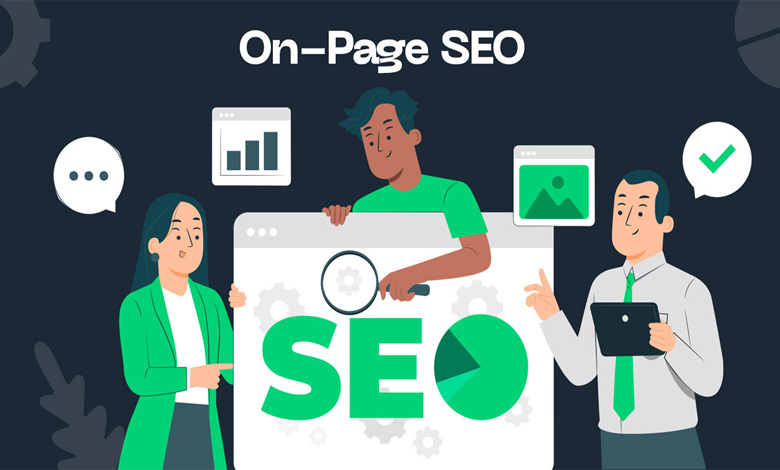
  • On-Page SEO: Optimizing content, titles, meta descriptions, URL structure, and user experience
  • Off-Page SEO: Building links from reputable websites and increasing domain authority
  • Technical SEO: Improving website speed, mobile compatibility, structured data, and crawlability

What Is Google Ads?

Google Ads is Google’s advertising platform that allows you to pay to display your website at the top of search results. These results are marked with an “Ad” label, and the payment model is typically PPC (Pay-Per-Click).

Google Ads includes several different advertising formats:

  • Search Ads
  • Display Ads
  • YouTube Video Ads
  • Google Shopping Ads

App Campaigns

Advantages of SEO

1. Lower Cost in the Long Term: SEO does not require direct payments to Google. The primary investment is the time and expertise of the team managing the campaign. Once you achieve strong rankings, you can generate organic traffic without paying for every click.

2. Greater User Trust: Research shows that more than 70% of users click on organic search results and tend to trust them more. An organic result is often perceived by users as a “Google recommendation.”

3. Long-Lasting Results: Unlike advertising, which stops generating traffic when the budget is paused, SEO rankings can remain effective for an extended period. This means your investment can continue creating value over time.

4. Higher Conversion Potential: Users who arrive through organic search usually have a specific search intent, making them more likely to convert into customers. According to Search Engine Journal, SEO has a conversion rate of approximately 14.6%.

5. Stronger Brand Authority: Consistent visibility at the top of Google search results helps establish your brand in the minds of your audience and positions your business as an authority in your industry.

مزایا و معایب سئو

Disadvantages of SEO

1. Results Take Time: SEO is a long-term strategy. It typically takes 3 to 6 months to see tangible results. If you need immediate results, SEO alone may not be enough.

2. Dependence on Google Algorithms: Google releases hundreds of algorithm updates every year. Some of these updates can suddenly affect your website’s rankings, requiring you to review and adjust your strategy.

3. Ongoing Competition: Holding the top position on Google is not a permanent achievement. Competitors are constantly working to outrank you, which means SEO requires continuous attention and optimization.

4. Requires a Specialized Team: Effective SEO requires technical knowledge, experience, and specialized tools. Hiring or outsourcing to an experienced SEO team is an investment that should be taken into consideration.

Advantages of Google Ads

1. Immediate Results: As soon as your campaign goes live, your ads can appear at the top of Google search results. This is particularly valuable for businesses that need traffic quickly.

2. Precise Audience Targeting: Google Ads allows you to show your ads specifically to people who are searching for your products or services, based on keywords, geographic location, age, interests, and even the device they use.

3. Complete Budget Control: You decide how much you want to spend each day. You can pause, edit, or optimize your campaign at any time, giving you full control over your advertising budget.

4. Accurate and Measurable Data: Google Ads provides detailed reports on impressions, clicks, conversion rates, and cost per action. These insights help you continuously optimize your campaigns.

5. Variety of Ad Formats: From simple text ads to display banners, video ads, and Shopping campaigns, Google Ads offers a wide range of advertising formats and flexibility.

Disadvantages of Google Ads

1. Ongoing Costs: As soon as you stop paying, your ads stop running and the traffic generated through them disappears. In highly competitive industries, the cost per click can also become very high.

2. Lower Trust Among Some Users: Many users consciously avoid clicking on paid search results and prefer to rely on organic results instead.

3. Limited Accessibility in Iran: Due to international sanctions and restrictions, running Google Ads directly from Iran can be challenging and often requires third-party providers, which can add to the overall cost.

4. Requires Professional Management: Poorly managed Google Ads campaigns can quickly waste your budget. Continuous optimization, A/B testing, and data analysis require specialized expertise.

Which Strategy Is Right for You?

The answer depends on your business goals, budget, industry, and timeline. At LimooShirin, we generally recommend the following approach:

Choose SEO if you:

  • Are looking for sustainable, long-term growth
  • Have a limited budget but enough time to build results
  • Want to strengthen your brand authority
  • Operate in an industry where competitive Google Ads keywords are expensive

Choose Google Ads if you:

  • Need fast and immediate traffic
  • Are running a seasonal or time-sensitive campaign
  • Want to introduce a new product quickly
  • Have sufficient budget for ongoing campaign management

The Best Approach: Using Google Ads and SEO Together

In reality, SEO and Google Ads are not competitors — they complement each other.

While SEO builds the long-term foundation of your online presence, Google Ads can generate traffic and sales in the short term. Data from Google Ads campaigns can also help identify high-performing keywords that can later be targeted through SEO.

The strongest digital marketing strategy is often not choosing between SEO and Google Ads, but knowing how to use both at the right time and for the right purpose.

بهترین حالت استفاده از گوگل ادز و سئو

How Can LimooShirin Help?

At LimooShirin Digital Marketing Agency, we analyze your business, competitors, and budget in detail to develop the right combination of these two strategies for your specific goals. Our objective is not simply to generate traffic; our goal is to increase sales and drive real, sustainable business growth.

To receive a free consultation and have your website’s SEO and advertising performance reviewed, get in touch with us today.

Conclusion

Ultimately, choosing between SEO and Google Ads is not a competition — it is a strategic decision. If you are looking for sustainable, long-term growth, SEO is a smart investment that can generate increasing returns over time. If you need immediate results, Google Ads is a powerful tool that can put your business in front of your target audience in the shortest possible time. However, the most successful businesses are those that use both strategies together: one builds the foundation, while the other accelerates growth.

تبلیغات CGI چیست؟

Website Design & SEO Services in Molla Sadra Street and Vanak

Mollasadra is one of the busiest and most densely commercial areas of Tehran. Hundreds of businesses operate in this area, and competition for attracting customers is becoming more challenging every day. But here is the key question: When a potential customer searches for your business on Google, does your website appear among the top results?

If the answer is no, your competitor is getting that customer.

LimooShirin Digital Marketing Agency specializes in website design and SEO for businesses in Mollasadra and helps you achieve the visibility and search rankings you need to attract more potential customers.

Why Choose LimooShirin?

Many businesses in Mollasadra and western Tehran have trusted LimooShirin because we focus on delivering results, not making promises. Our team consists of professionals with real-world experience in the Iranian market. We understand the challenges of local businesses and create a customized strategy for every client rather than relying on generic, one-size-fits-all packages.

We believe in transparency. That is why we provide regular, easy-to-understand reports on your project’s progress, so you always know where your investment is going and what results have been achieved.

Our relationship does not end once your website is launched or your SEO campaign begins. Ongoing support and post-launch consultation are part of our commitment, helping ensure that your website remains updated, secure, and competitive in Google search results.

LimooShirin’s Process

LimooShirin Digital Marketing Agency follows a professional five-step process:

1. Analysis & Strategy: We begin by analyzing your existing website, competitors, and target market. Based on this analysis, we develop a clear and detailed roadmap.

2. Design & Development: Your website is designed and developed based on UX, performance, and SEO principles. Its technical structure is optimized for search engines from the very beginning.

3. Content Optimization: We identify your target keywords and optimize the content of each page around relevant search terms and user intent.

4. Technical SEO: We implement all essential technical SEO elements, from website speed and performance to site structure and structured data.

5. Monitoring & Reporting: Using tools such as Google Search Console and Google Analytics, we monitor your performance on a monthly basis and provide clear reports on your progress.

Why Does Professional Website Design Matter?

A poorly designed website drives customers away. Research shows that users decide whether to stay on or leave a website in less than 5 seconds. If your website is slow, has an outdated design, or does not display properly on mobile devices, those 5 seconds will work against you.

چرا طراحی سایت حرفه‌ای اهمیت دارد؟

Features of a Professional Website

Responsive Design

Your website should display correctly across all devices, from mobile phones to tablets and desktops. More than 60% of Google searches are conducted through mobile devices.

Fast Loading Speed

Google penalizes slow websites. A loading speed of under 3 seconds is an acceptable standard.

Simple and Purposeful UI/UX

Users should be able to find the information they need without confusion. The path to making a purchase or contacting you should be short and clear.

Website Security (SSL)

Having an SSL certificate and displaying the green padlock in the browser not only builds user trust but also has a positive impact on Google rankings.

Standard Technical Structure

Clean coding, a logical URL structure, and proper website architecture are the foundations of an SEO-friendly website.

Website SEO in Mollasadra

SEO (Search Engine Optimization) is a set of techniques that helps your website achieve higher rankings in Google’s organic search results. Unlike paid advertising, which stops when you stop your budget, SEO is a long-term investment that can bring you customers for months and years.

Types of SEO

1. On-Page SEO

On-Page SEO focuses on optimizing the content and elements within your website:

  • Keyword Research: Identifying the terms that your target customers in Mollasadra search for, such as “website design in Mollasadra,” “website SEO in Tehran,” or “digital marketing in Mollasadra”
  • Title & Meta Description Optimization: Each page should have a unique title and description that includes the primary target keyword.
  • Heading Structure: Proper use of H1, H2, and H3 headings to organize content.
  • Image Optimization: Compressing images and setting appropriate Alt Text.
  • Internal Linking: Creating logical connections between different pages of the website.
  • High-Quality Content Creation: Content that answers users’ real questions.
سئو داخلی (On-Page SEO)

2. Off-Page SEO

Off-Page SEO focuses on building your website’s authority across the internet:

  • Link Building: Acquiring backlinks from reputable and relevant websites.
  • Business Directory Listings: Listing your business on Google Maps, Neshan, IranTalent, and other reputable platforms.
  • Social Media Presence: Maintaining an active presence on Instagram, LinkedIn, and other platforms can send positive signals to Google.
  • Online Reputation Management: Generating positive reviews on Google Maps and other relevant platforms.

3. Technical SEO

Technical SEO prepares your website’s infrastructure for Google’s crawling and indexing:

  • Core Web Vitals Optimization: Improving key performance metrics such as LCP, FID, and CLS.
  • XML Sitemap Structure: Providing Google with a sitemap to facilitate faster and more efficient indexing.
  • Robots.txt File: Guiding Google’s crawlers toward important pages.
  • Fixing 404 Errors and Incorrect Redirects
  • URL Structure Optimization: Creating short, readable URLs that include relevant keywords.
  • Structured Data (Schema Markup): Helping Google better understand the content and structure of your website.

4. Local SEO

For businesses operating in the Mollasadra area, Local SEO is particularly important:

  • Google Business Profile Optimization: Completing your profile, adding relevant images, and responding to customer reviews.
  • Local Keyword Targeting: Combining your services with the name of the target area, such as “Website Design in Mollasadra” or “SEO in Western Tehran.”
  • Consistent NAP Information: Your business name, address, and phone number should be consistent across all platforms.
  • Local Reviews: Collecting genuine reviews from customers in Mollasadra and surrounding areas.

    Conclusion

    Website design and SEO are two sides of the same coin. A website that is not properly designed cannot be effectively optimized for search engines, and a website without SEO will struggle to be seen. At LimooShirin Digital Marketing Agency, we implement both strategies together to help businesses in Mollasadra build a strong online presence and attract more customers. Contact us today for a free consultation.

    Frequently Asked Questions

    How much does website design cost in Mollasadra?

    The cost depends on the type of website, number of pages, and features you require. Contact the LimooShirin team for a free consultation and a personalized quote.

    How long does it take to see SEO results?

    Typically, the first significant results can be seen within 3 to 6 months. SEO is a gradual process, but its results can be sustainable and long-lasting.

    Can you provide SEO services for our existing website?

    Yes. You do not necessarily need to build a new website. Our team can audit your existing website and optimize it based on SEO best practices.

    Is Local SEO suitable for my business in Mollasadra?

    If most of your customers are located in Mollasadra, Shahrak-e Gharb, Saadat Abad, or western Tehran, Local SEO can be one of the most effective digital investments for your business.

اس ام اس مارکتینگ چیست؟ راهنمای جامع بازاریابی پیامکی در ۲۰۲۶

What Is SMS Marketing? A Comprehensive Guide to SMS Marketing in 2026

The last time you received a promotional SMS, what was your first reaction? Probably a slight frown, a quick deletion, and perhaps, if you were really annoyed, a block. Fair enough. For years, many businesses have mistaken SMS for advertising bombardment, making Iranian customers skeptical of this channel. But there is a more important question: if SMS marketing is really ineffective, then why is the SMS open rate 98% — while the same figure for email barely reaches 25%? The answer is simple: the problem is not the tool; it is how you use it. In this guide, you will see what effective SMS marketing looks like, how it is designed, and why it is one of the smartest advertising investments you can make today.

What Is SMS Marketing and Why Does It Still Matter?

SMS marketing means sending targeted text messages to audiences who have either previously interacted with your business or fall within your target market, with the goal of driving sales, providing information, or maintaining communication.

But there is a major misconception: most businesses think SMS marketing means “sending mass text messages to everyone.” This assumption is wrong and is exactly what causes customers to perceive promotional SMS messages as annoying.

Real SMS marketing means:

  • The right message, to the right person, at the right time
  • Creating value for the recipient, rather than simply advertising to them
  • Being part of a complete marketing strategy, not a standalone tool
اس ام اس مارکتینگ چیست و چرا هنوز مهم است؟

SMS Marketing in 2026: How Is It Different From the Past?

In recent years, this field has undergone significant changes. If you are unaware of them, your campaigns may fail to deliver results:

Artificial Intelligence Has Entered SMS Copywriting

Today, AI tools can personalize SMS content based on customer purchasing behavior. For example, a customer who purchased sports shoes three months ago can receive a different SMS from a customer who purchased a leather bag — using the same system and automatically.

Conversational SMS Has Replaced One-Way Messaging

SMS is no longer simply about “sending notifications.” Customers can reply, ask questions, or even complete a purchase through SMS. This two-way SMS model significantly increases engagement.

Integration With CRM Has Become Essential

SMS can no longer be managed separately from the customer management system. CRM data should form the basis for targeting SMS campaigns.

Opt-In Regulations Have Become Stricter

Sending SMS messages without the recipient’s explicit consent is not only unethical but is also prohibited under many international legal frameworks. This is gradually becoming a more serious issue in Iran as well.

Types of Promotional SMS and Their Applications

Understanding the different types of SMS is the most important step in developing a strategy. Each type of SMS plays a different role in the sales funnel:

Promotional SMS

Goal: Increase sales or introduce a new product
Suitable for: Sales campaigns, product launches, discount codes
Key point: It must have a clear CTA.

Transactional SMS

Goal: Provide customers with process-related information
Suitable for: Order confirmations, tracking codes, payment reminders
Key point: These messages have higher open rates than others — take advantage of this opportunity.

Reminder SMS

Goal: Bring customers back to a stage they have abandoned
Suitable for: Abandoned shopping carts, subscription renewals, consultation appointments
Key point: Sending the message at the right time — neither immediately nor too late — makes a significant difference.

Loyalty SMS

Goal: Strengthen relationships with existing customers
Suitable for: Customer birthdays, first-purchase anniversaries, loyalty-program points
Key point: These messages sell emotions, not products.

Crisis or Alert SMS

Goal: Provide urgent information
Suitable for: Changes in business hours, service disruptions, urgent notifications
Key point: It must be short, clear, and direct.

5. How to Design a Professional SMS Campaign

Many SMS campaigns fail because they lack a clear process. Here is a step-by-step framework:

Step 1: Define the Campaign Goal

First, ask: What specific and measurable goal does this campaign have?

“Increase sales” is not a goal.

“Increase sales of Product X by 15% within two weeks” is a goal.

Step 2: Build a Targeted Phone Number Database

The quality of your audience list is more important than the SMS copy itself. Reliable sources for building a list include:

  • Website registration forms with a value-based incentive (discount, free content)
  • Previous store customers
  • Event and webinar participants
  • Social media audiences who have opted in to receive SMS messages

Never use purchased phone-number databases. Zero conversion rates, a damaged brand, and the risk of being marked as spam are the likely results.

Step 3: Segment Your Audience

Do not send the same SMS to every audience member. At minimum, apply these categories:

  • Gender and age
  • Geographic location
  • Purchase history (purchased / never purchased / purchased again)
  • Most recent interaction with the brand (active / inactive)

Step 4: Design the Copy and CTA

(This is explained in detail in the next section.)

Step 5: Conduct an A/B Test Before Mass Sending

First, divide 10% of your list into two groups and send two different versions. After two hours, send the winning version to the remaining 90%.

Step 6: Prepare the Infrastructure

Before sending, make sure that:

  • The link inside the SMS works properly on mobile
  • The landing page is optimized for mobile
  • The website server can handle sudden traffic
  • The customer support team is ready

Measuring the Success of an SMS Campaign

If you cannot measure the results, you cannot improve them. Track these KPIs for every campaign:

  • Delivery Rate: It should be at least 95%. Anything lower indicates a problem with the phone-number database.
  • Open Rate: Above 85% is normal for SMS. If it is lower, the timing or sender may be the problem.
  • CTR (Click-Through Rate): Between 15–45%, depending on the industry. This is the most important indicator of copy quality.
  • Conversion Rate: The percentage of people who clicked and completed the desired action (purchase, registration, or call).
  • Opt-out Rate: Above 2% is a serious warning. It means recipients consider the SMS messages intrusive.
  • Final ROI: Revenue generated by the campaign divided by the total sending cost. The minimum target should be 5:1.

Common Mistakes You Should Avoid

This is the part competitors may not tell you — and it could save your campaign:

  • Mistake #1: Sending Too Frequently
    Sending more than 2–4 SMS messages per month to the same recipient can significantly increase the opt-out rate. Send less, but make each message better.
  • Mistake #2: Sending an SMS Without Clear Value
    “Stay with us” or “Check out our new products” do not provide enough value. Customers should know what they will miss if they ignore the message.
  • Mistake #3: The Landing Page Is Not Ready
    The user clicks the link, but the page loads slowly or has nothing to do with the SMS copy. This is the most common reason for a low conversion rate.
  • Mistake #4: Not Providing an Opt-Out Option
    Recipients should be able to unsubscribe easily. Hiding this option is not only unethical but can also damage the brand in the long run.
  • Mistake #5: Ignoring A/B Testing
    Most Iranian businesses create one version and send it immediately. Even a simple test between two different headlines can improve CTR by 30%.
تبلیغات CGI چیست؟

What Is CGI Advertising? A Complete Guide from Concept to Execution

The global CGI advertising market is expanding at a 19.9% annual growth rate and is projected to reach a value of $13.4 billion by 2028. This figure is more than just a statistic; it is a sign that the way brands communicate with their audiences is undergoing a fundamental transformation.

CGI advertising, or Computer-Generated Imagery, is no longer an exclusive tool of multinational brands. Today, businesses around the world, including Iranian brands, use this technique to create content that goes viral, gets noticed, and remains memorable within a short period of time.

In this article, we’ll explore exactly what CGI is, its advantages and limitations, which businesses it is suitable for, and what examples have been implemented in Iran.

What Is CGI Advertising?

CGI stands for Computer-Generated Imagery. In the advertising world, it refers to campaigns in which a completely unreal yet believable event or scene is created using computer software and visual effects, usually published as video content on social media.

In these advertisements, real images and footage of an environment are combined with artificial elements. The result is something that appears real at first glance, even though it has not actually happened in the physical world.

Why Are These Advertisements Also Called FOOH?

FOOH stands for Fake Out of Home, meaning “fake out-of-home advertising.”

Traditional Out of Home (OOH) advertising includes billboards, street displays, and outdoor signage. CGI advertising essentially simulates this environment: a street billboard that was never actually installed, a public display that never took place, or an event that exists only within the pixels of a video.

چرا به این تبلیغات FOOH هم می‌گویند؟

What Makes CGI Advertising Go Viral?

There are three main factors:

 The Element of Surprise: The human brain responds more strongly to unexpected things. When you see moisturizing cream flowing through a dry river, a “What is this?” signal lights up in your mind.

 The Motivation to Share: People share things that make them appear smart, tasteful, or interesting in the eyes of others. A strange and unusual video fulfills exactly this need.

 Discussion and Conversation: People like to say, “Is this real or fake?” This discussion itself becomes the engine that drives content distribution.

Benefits of CGI Advertising for Brands

1. High Viral Potential

Perhaps the most important reason for using CGI is precisely this. A well-executed video can receive hundreds of thousands of views within a few hours, without the brand having to spend heavily on distribution.

2. Creative Freedom Without Physical Limitations

Want your shoes to fly through the sky with a helicopter? Want your product to be displayed on top of Mount Damavand? Want to advertise in the middle of the ocean? With CGI, none of these things are impossible — they are all possible.

This freedom allows creative teams to develop ideas that could never be executed in the real world.

3. Lower Cost Compared with Some Traditional Media

Renting a billboard in high-traffic areas of Tehran can cost tens of millions of tomans per month. Building large physical models for outdoor advertising also involves costs that can be overwhelming for most brands.

A well-produced CGI video can be created at a fraction of this cost while generating even more views.

Note: CGI is not cheap—it is simply more cost-effective than some traditional media. Producing high-quality CGI requires expertise, advanced software, and time.

4. Environmentally Friendly

Installing a giant physical model in nature creates visual and noise pollution, can damage the environment, and must be removed once the campaign ends. CGI advertising has no physical impact on the environment.

5. Flexibility Across Different Markets

A CGI video can be customized for different audiences. By changing the location, language, or visual details, you can reproduce the same concept for different markets.

Disadvantages and Challenges of CGI Advertising

Every tool has its downsides as well. Before making any decision, you should be aware of the following:

1. Technical Complexity and the Need for Expertise

Producing high-quality CGI requires specialized software such as Blender, Cinema 4D, and After Effects, as well as at least one specialist who has worked with these tools for years. Poor-quality output can seriously damage a brand’s credibility.

2. Long Production Time

Unlike traditional advertising, which can be prepared quickly, a high-quality CGI video can take anywhere from several weeks to several months to produce. If you want to be ready for Black Friday, you should start two to three months in advance.

3. The Risk of Losing Audience Trust

If the audience realizes that something is fabricated and feels deceived, it can create the opposite reaction. This risk is more serious for brands that have invested heavily in trust and brand credibility.

4. The Need for a Distribution Budget

Creating the content is only half the job. To make it go viral, you also need to invest in distribution: paid advertising on Instagram, influencer collaborations, or exposure through news media.

Which Businesses Is CGI Advertising Suitable For?

Let’s be honest: this method is not suitable for everyone.

It is suitable if:

  • You operate in a mass market and your product appeals to a broad audience.
  • Your brand is sufficiently well-known for the “surprise” to have a positive impact.
  • You have enough budget for high-quality production and targeted distribution.
  • Your campaign is tied to a specific date or occasion, such as Black Friday, a brand anniversary, or a product launch.
  • Your audience is active on social media.

It is not suitable if:

  • You operate a B2B business or your product has a very limited target audience.
  • Your brand is built around honesty and realism as core values.
  • You do not have enough budget for proper production (an unfinished execution is worse than no execution at all).
  • Your product is related to health, safety, or direct consumer trust.
تبلیغات CGI برای چه کسب‌وکارهایی مناسب است؟

The Difference Between CGI and Guerrilla Marketing

These two concepts are often confused with each other, especially because CGI videos can look similar to guerrilla marketing.

Guerrilla Marketing:

  • Takes place in the physical, real world.
  • The audience can touch the product and interact directly with the brand.
  • The buzz is created by real audiences, without the need for paid distribution.
  • The execution cost is usually lower.

CGI Advertising:

  • Exists in the digital world and is never physically executed.
  • There is no direct interaction between the audience and the brand.
  • It usually requires paid distribution to go viral.
  • It offers greater creative freedom.

A simple way to put it: Guerrilla marketing is real, while CGI is fabricated — although both aim to surprise you.

Top Examples of Iranian CGI Advertising

Khanoumi and Moisturizing Cream in Zayandeh-Rud

Khanoumi chose the dry bed of the Zayandeh-Rud River to advertise its moisturizing cream. Several giant bottles of moisturizing cream were depicted next to Khaju Bridge, moving across the dry riverbed and “providing hydration.”

This was a smart choice: the Zayandeh-Rud carries emotional significance for Iranians. Combining this emotion with the product’s hydration message created a strong conceptual connection.

Why it worked: The direct connection between the product’s feature (hydration) and the chosen symbol (the dry river). The choice of a location that evokes nostalgia and concern among Iranian audiences.

Khanoumi and the Ball Game on Vali Asr Street

As part of Khanoumi’s birthday campaign, colorful balls were depicted on Vali Asr Street in Tehran. The natural movement of the cars in the video significantly increased its believability.

Key point: Choosing familiar locations (Vali Asr, Khaju Bridge, Rasht Municipality Square) was one of the main reasons behind the success of Khanoumi’s campaigns. When audiences see a familiar place, they become more engaged.

Sheypoor and the Billboard Inside the Tunnel

Sheypoor designed a billboard inside a tunnel in northern Tehran to advertise its villa rental service. The connection between the message (a villa in the north) and the location (a road leading to the north) turned this advertisement into one of the smartest examples of Iranian CGI.

Lesson: When CGI and the advertising message are aligned, the impact can be multiplied.

Kaleh and Mozzarella Cheese on the Highway

Kaleh placed a package of its mozzarella cheese on a billboard, and as cars passed underneath it, the cheese appeared to “stretch” down into the middle of the highway. The video began with real footage of the location and was completed using CGI.

Technical point: Combining real footage with artificial elements can dramatically increase believability.

Successful Global Examples

Adidas — Flying Shoes

In one of its campaigns, Adidas showed a pair of giant shoes being flown through the sky of a city by two helicopters. People watched from below, and their real reactions were recorded. The result was a video that received tens of millions of views within a few days.

L’Oréal — The Citroën 2CV on the Streets of Paris

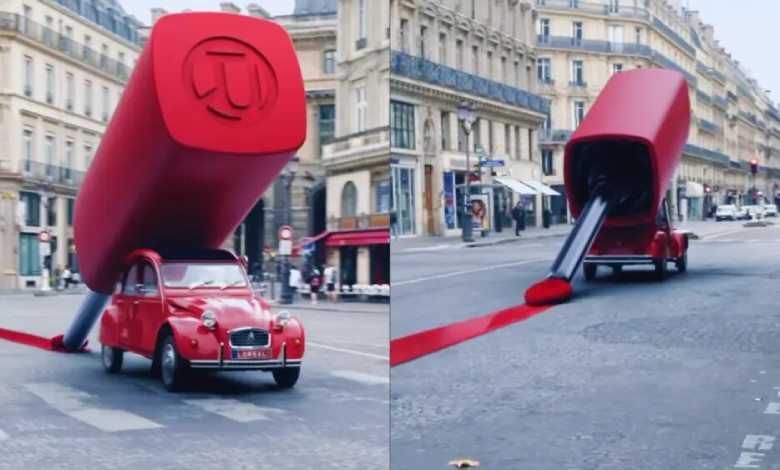
L’Oréal placed its product on the roof of a Citroën 2CV and drove it through the streets of the city. The video was a smart combination of nostalgia (the 2CV) and a new product.

Nike — The Last Game

For the 2014 World Cup, Nike created a fully CGI-animated advertisement in which cloned versions of famous football players competed against one another. This advertisement demonstrated that CGI does not necessarily have to be a “composite video” and can be entirely animated.

Ethical Considerations That Cannot Be Ignored

This is where the issue is often overlooked.

The main question is: Should a business disclose to its audience that the content is CGI?

The reality is that there is no single universal answer; however, there is a professional approach:

Reputable brands around the world commonly use hashtags such as #CGI or #FOOH in their posts. This has three benefits:

  1. They maintain media ethics.
  2. They avoid negative feedback from informed audiences who will soon recognize CGI.
  3. They create a community of CGI enthusiasts who analyze and share the content themselves.

Warning for Iranian brands: Some domestic CGI campaigns have received warnings from advertising regulatory organizations. Maintaining transparency is not only an ethical responsibility but also a legal necessity.

Is CGI Advertising Just a Short-Lived Trend?

No. CGI is not a trend — it is a technique. The difference between the two is important.

Trends come and go. Techniques remain in the industry and evolve.

However, one point should be considered: the more familiar audiences become with CGI, the higher the threshold for creating an impact becomes. A video that was astonishing in 1402 (2023–2024) may seem ordinary in 1405 (2026–2027).

This means execution quality and the originality of the idea will become increasingly important.

The future of CGI is closely tied to artificial intelligence. Tools such as Sora and Runway ML allow brands to produce CGI videos at lower costs and at greater speed. This means smaller brands can enter this space more easily—which is both an opportunity and a sign of increasing competition.

آیا تبلیغات CGI یک مد زودگذر است؟

Checklist: Things to Consider Before Deciding to Create CGI

  • Is our target audience active on social media?
  • Is the advertising message conceptually aligned with the selected environment?
  • Do we have enough budget for high-quality production (not just creation)?
  • Do we also have a plan for distribution and promotion?
  • Do we have enough time before the publication date? (At least 4–6 weeks)
  • Are we maintaining the necessary transparency regarding the fabricated nature of the content?
  • Is this approach aligned with our brand’s core values?

Frequently Asked Questions (FAQ Schema)

How much does CGI advertising cost?
Depending on the quality, complexity, and production team, the cost of a professional CGI video in Iran can range from several tens of millions to several hundreds of millions of tomans. The main factors include video length, the complexity of the fabricated elements, and the final rendering quality.

What is the difference between CGI advertising and VFX?
CGI means creating an image or element from scratch using software. VFX means combining or modifying existing footage. In most commercial advertisements, both are used together.

Is CGI advertising legal in Iran?
Yes, but transparency must be maintained. Some campaigns that claimed an event was real have received warnings from regulatory authorities.

What is the best platform for publishing CGI?
Instagram is the best option for the Iranian market because of its visual nature and Reels feature. Aparat and YouTube are useful for extending the content’s lifespan.

Can small businesses also use CGI?
With the introduction of AI tools such as Runway ML and Sora, producing CGI content has become easier and more affordable. However, execution quality is still important — poor-quality output can cause damage.

Conclusion

When executed properly, CGI advertising is one of the most powerful tools for viral marketing. Combining creativity, technology, and audience understanding can transform a simple campaign into a media event.

But remember: CGI is a tool, not a strategy. Its success depends on the quality of the idea, precision of execution, alignment with the brand identity, and transparency with the audience.

If you want to design a CGI campaign for your brand or are unsure whether this approach is right for you, the LimooShirin team is ready to recommend the best approach based on your goals and budget.

What Is FOMO in Marketing? A Complete Guide to Using FOMO

In the world of digital marketing, users are exposed to hundreds of advertising messages, articles, emails, and social media posts every day. In such an environment, only content that can capture the audience’s attention within a few seconds gets noticed. One of the most powerful techniques for increasing click-through rates and user engagement is the use of “FOMO.”

FOMO encourages users to take action more quickly by creating a fear of missing out on a valuable opportunity. Today, this technique is widely used in SEO, Google Ads, email marketing, social media, and sales pages. In this article, we will take a comprehensive look at what FOMO is, how it works, and how it can be used to increase click-through rates and sales.

What Is FOMO?

FOMO stands for Fear Of Missing Out, meaning the “fear of missing out on an opportunity.”

In psychology, this concept refers to a state in which a person feels that if they do not take action right now, they may miss an important opportunity, a valuable experience, or a particular advantage.

In marketing, brands use this natural human emotion to encourage users to take a specific action, such as making a purchase, signing up, or clicking.

Common examples of FOMO include:

  • You only have until the end of today.
  • Registration capacity is limited.
  • Only 5 items are left.
  • Last chance to take advantage of the special discount.

Why Is FOMO So Effective?

The human brain naturally tends to react more strongly to losing opportunities than to gaining benefits. In behavioral psychology, this tendency is known as “Loss Aversion.”In siple terms, people are generally more afraid of experiencing a loss than they are motivated by the prospect of gaining something. That is why a phrase such as “Last chance to register” can have a greater impact on an audience’s decision and generate a higher action rate, while a headline such as “Register for the Training Course” does not convey the same sense of urgency or fear of missing out.

فومو (FOMO) چیست؟

The Impact of FOMO on SEO

Many SEO professionals believe that titles are only important for search engines; however, in reality, a title is one of the most important factors influencing user behavior.

When FOMO leads to an increase in click-through rate:

  • CTR increases.
  • User engagement increases.
  • Incoming traffic grows.
  • The likelihood of improving page rankings increases.

However, FOMO should be used genuinely, as exaggerated titles can increase the bounce rate.

The Most Important Characteristics of Professional FOMO

A successful FOMO title should have several important characteristics:

1. Creating a Sense of Urgency

The user should feel that they have limited time to make a decision.

Examples:

  • You only have until tonight.
  • Last chance to register.
  • Special discount until the end of today.

2. Creating a Sense of Scarcity

The limited availability of an opportunity increases its value.

Examples:

  • Only 10 spots left.
  • Stock is running out.
  • Limited availability.

3. Highlighting the Missed Opportunity

Examples:

  • Many businesses have missed this opportunity.
  • Read this article before it’s too late.

4. Triggering Curiosity

Examples:

  • Most managers make this mistake.
  • The secret to increasing sales that your competitors won’t tell you.

Types of FOMO in Marketing

One of the important applications of FOMO in marketing is creating a sense of urgency and fear of missing out on an opportunity among the audience. One of the most common models is time-based titles, which encourage users to make faster decisions by limiting the time available to take action. Phrases such as “You only have until the end of the week” or “Special discount until midnight tonight” are examples of this approach.

Another model is using capacity limitations, meaning showing the scarcity of resources with messages such as “Only 5 spots left” or “Course capacity is almost full” to increase the value and urgency of the offer.

Another type of FOMO focuses on the fear of falling behind competitors or the market trend. In this approach, titles attract the audience’s attention by creating concern about losing a competitive advantage, such as “If you don’t know this technique, you’ll fall behind your competitors.”

FOMO based on popularity is another type. By showing the number of users, buyers, or the level of interest from others, it creates a sense of trust and a desire to join in. Examples such as “More than 10,000 people have purchased this course” or “Don’t miss the best-selling product of the month” fall into this category.

15 FOMO Examples to Increase Click-Through Rate

  • Last chance to shop with 50% off
  • Today only; a special gift for buyers
  • Read this before prices increase
  • This mistake could destroy your sales
  • Registration capacity is almost full
  • Only a few hours remain until the festival ends
  • An exceptional opportunity you shouldn’t miss
  • If you don’t read this article, you’ll fall behind your competitors
  • More than 5,000 people have used this method
  • For members only
  • This discount will not be repeated
  • Last remaining stock in the store
  • Only a few spots left
  • What is the secret to the success of major brands?
  • Learn this technique before it’s too late

Applying FOMO Across Different Marketing Channels

SEO and Content Marketing

Increasing the CTR of search results and attracting more users.

Google Ads

Encouraging users to click on advertisements.

Email Marketing

Increasing email open rates.

Example: “You only have until tonight to use your discount code.”

Social Media

Increasing engagement and driving users to landing pages.

Sales Pages

Helping increase conversion rates and sales.

Common Mistakes When Using FOMO

Creating False Urgency

If you always write “Last chance” but the opportunity never actually ends, users will lose trust.

Overuse

FOMO is most effective when used selectively and strategically.

Unrealistic Promises

The title should be consistent with the content of the page.

Focusing Only on Clicks

The goal is not only to increase CTR; the user experience must also be maintained.

How to Write Effective FOMO

To write a professional title, try this formula:

[Main Benefit] + [Time Limitation or Scarcity] + [Call to Action]

Example:

“Increase Sales with Google Ads; Free Consultation Only Until the End of the Month”

Or:

[Fear of Missing Out] + [Solution]

Example:

“Before You Fall Behind Your Competitors, Implement This SEO Strategy”

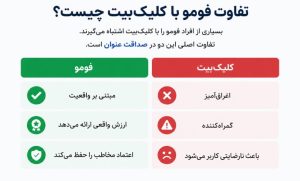
What Is the Difference Between FOMO and Clickbait?

Many people confuse FOMO with clickbait, while the main difference between the two lies in the level of honesty and the actual value of the message.

FOMO is based on a real situation; in other words, the title encourages the audience to take action by creating a sense of urgency or fear of missing out on an opportunity, and ultimately delivers the value that was promised.

In contrast, clickbait typically uses exaggerated or misleading titles simply to attract the user’s attention and generate clicks. Although this approach may deliver results in the short term, it can lead to reduced trust and audience dissatisfaction.

فرق بازاریابی و فروش چیست؟ راهنمای کامل برای صاحبان کسب‌وکار

What Is the Difference Between Marketing and Sales? A Complete Guide for Business Owners

According to a 2024 HubSpot report, businesses whose marketing and sales teams work in alignment experience 27% faster growth and 36% higher customer retention rates compared with businesses that manage these functions separately. Yet one of the most common questions asked by small and medium-sized business owners is: What exactly is the difference between marketing and sales? Aren’t they essentially the same thing?

What Is Marketing?

Marketing is the process of creating interest, awareness, and trust in the minds of potential customers who have not yet decided to make a purchase.

Marketing answers questions such as:

  • Who is our customer?
  • What problem do they have that we can solve?
  • How can we make them aware of our business?
  • How can we earn their trust before they spend even a single rial with us?

    An Iranian Example: Consider a newly opened café in Tehran. The café publishes Instagram Reels showcasing its atmosphere and coffee, collaborates with local influencers, and ranks on Google for searches such as “best café near Vanak Square.” All of these activities are marketing. The customer has not visited yet, and no money has changed hands.

    What Tools Does Marketing Use?

    • Content & SEO: Blogs, articles, videos, and podcasts
    • Social Media: Instagram, LinkedIn, and YouTube
    • Targeted Advertising: Google Ads and Instagram advertising
    • Email Marketing: Nurturing leads over time
    • Branding: Visual identity, brand messaging, and positioning

    What Are Marketing KPIs?

    Unlike sales, marketing does not produce immediately visible results, which is why having accurate measurement criteria is particularly important. The most important Key Performance Indicators (KPIs) in marketing include: website traffic, which shows how many people have entered the website through different channels (organic, advertising, social media); the number of leads or Lead, which determines how many of these visitors have provided their contact information or expressed interest; Engagement Rate on social media, which measures the audience’s genuine response to the content; Brand Awareness, which can be tracked through the volume of searches for the brand name on Google, mentions, and direct feedback; Cost Per Lead (CPL), which shows how much has been spent to acquire each interested audience member; and finally, Landing Page Conversion Rate, which determines what percentage of visitors have converted into leads. The important point here is that none of these metrics is sufficient on its own; high traffic with a high CPL means the budget is being wasted, and a high Engagement Rate without an increase in Leads means the content is entertaining rather than converting.

    What Is Sales?

    Sales is the process of converting an interested prospect into an actual customer who makes a purchase.

    Sales answers questions such as:

    • Will this interested prospect actually buy?
    • What is preventing them from making a purchase?
    • How can we close the deal?
    • How can we retain the customer?

    An Iranian Example

    Let’s consider the same café. When a customer walks into the café, the server talks with them, recommends the dessert of the day, explains the benefits of the loyalty program, and encourages them to return for a second visit. All of these activities are part of the sales process.

    What Tools Does Sales Use?

    • Phone Calls & In-Person Meetings
    • CRM Follow-Ups
    • Proposals & Negotiations
    • Objection Handling
    • Upselling & Cross-Selling

    What Are Sales KPIs?

    Unlike sales, marketing does not produce immediately visible results, which is why having accurate measurement criteria is particularly important. The most important Key Performance Indicators (KPIs) in marketing include: website traffic, which shows how many people have entered the website through different channels (organic, advertising, social media); the number of Leads, which determines how many of these visitors have provided their contact information or expressed interest; Engagement Rate on social media, which measures the audience’s genuine response to the content; Brand Awareness, which can be tracked through the volume of searches for the brand name on Google, mentions, and direct feedback; Cost Per Lead (CPL), which shows how much has been spent to acquire each interested audience member; and finally, Landing Page Conversion Rate, which determines what percentage of visitors have converted into leads. The important point here is that none of these metrics is sufficient on its own; high traffic with a high CPL means the budget is being wasted, and a high Engagement Rate without an increase in Leads means the content is entertaining rather than converting.

    KPI های بازاریابی چیست؟

    What Is Sales?

    Sales means converting an interested audience into a real customer who pays.

    Sales answers these questions:

    • Does this person who has expressed interest actually buy?
    • What obstacle is preventing them from making a purchase?
    • How do we close the deal?
    • How do we retain the customer?

    Iranian example: Consider the same café. When a customer enters the café, the waiter talks to them, recommends the cake of the day, explains the loyalty card discount, and encourages the customer to come back for a second visit. All of these are sales.

    What Tools Does Sales Use?

    • Phone calls and in-person meetings
    • CRM follow-ups
    • Proposal presentation and negotiation
    • Customer objection management
    • Upselling and Cross-selling

    What Are Sales KPIs?

    Unlike marketing, which focuses on acquisition and awareness, success metrics in sales are directly tied to revenue and financial transactions. The most important Key Performance Indicators in sales include: Conversion Rate, which shows how many people out of every 100 leads that entered the sales funnel ultimately made a purchase; this figure directly indicates the quality of the sales process; Average Order Value, which determines how much each customer spends on average and serves as a foundation for Upsell and Cross-sell strategies; the number of closed contracts, which is a direct and straightforward measure of the sales team’s performance over a specific period; and Sales Cycle Length, which shows how much time it takes from the first contact with a customer until the contract is closed; the shorter this number is, the more efficient the sales team is.

    Monthly Revenue (MRR), which indicates the overall health of the business; and Churn Rate, which determines what percentage of customers did not return after their first purchase, because retaining an existing customer is always less expensive than acquiring a new one. Paying attention to these metrics together provides a more accurate picture. A high conversion rate with a long sales cycle means the sales team is performing well, but the process is complicated; high revenue with a high Churn Rate means growth is built on sand rather than stone.

    A Common Mistake Among Iranian Businesses

    When working with Iranian small and medium-sized business owners, two opposite but equally damaging mistakes are frequently seen:

    Mistake One: They Consider Everything “Sales”

    Many businesses think that “marketing” means “hiring a salesperson to go out into the streets and sell products.” As a result:

    • They produce no content
    • They do nothing to build their brand or establish trust
    • No new leads enter the funnel
    • Salespeople have to start from scratch, become exhausted, and leave

    The result: growth without infrastructure. When good salespeople leave, the business suffers.

    Mistake Two: They Consider Everything “Marketing”

    Some businesses take the opposite approach and focus only on content, SEO, and digital advertising, but:

    • They have no clear process for following up with leads
    • A customer becomes interested, but no one follows up
    • The product offering is weak
    • They do not know how to negotiate and close deals

    The result: the cost of acquiring leads is high, but the conversion rate is low, resulting in wasted money.

    Theodore Levitt, the legendary professor of the Harvard Business School and author of the classic article “Marketing Myopia,” stated that companies do not lose their customers; they abandon them. Excessive focus on the product and sales, without paying attention to the real needs of the market, is a major factor behind business failure.

    What Is Smarketing? The Hot Trend of 2025

    Smarketing is a combination of “Sales + Marketing”—a model in which the sales and marketing teams do not operate as two separate departments, but rather work together as a coordinated engine.

    This concept has gained significant attention in recent years because:

    • The line between sales and digital marketing has become blurred (online sales = marketing + sales at the same moment)
    • Today’s customers have completed 70% of their research before contacting a salesperson
    • Artificial intelligence and automation have made coordination between the two functions more achievable

    How Does Smarketing Work?

    In the Smarketing model:

    Marketing provides Sales with:

    • High-quality leads (Marketing Qualified Lead = MQL)
    • Customer behavioral information (which pages they viewed and which content they read)
    • Tested messages that audiences have responded to

    Sales provides Marketing with:

    • Real feedback on customer objections
    • Information gathered during meetings
    • Real reasons for purchasing or rejecting an offer

    According to the LinkedIn B2B Marketing Report 2024, companies that have implemented Smarketing have generated 208% more revenue from marketing channels.

    Marketing Without Sales = Throwing Money Away

    Imagine spending 20 million tomans per month on advertising and content, with 100 people filling out a contact form, but no one follows up with them; Instagram DMs take three days to receive a response; when a customer calls themselves, they do not receive sufficient information; and there is no clear proposal either. The result? All that advertising budget has been wasted—not because of weak marketing, but because there is no sales process. Marketing is the fuel for the engine; but without a sales engine, the fuel burns and the car does not move.

    Sales Without Marketing = Running Blind

    Now imagine that you have a strong sales team. But:

    • No new customers are entering the funnel
    • You have to start with Cold Calls
    • You do not have a well-known brand, so trust has to be built from zero
    • Each salesperson has to handle the entire journey on their own

    The result: Salespeople become tired and burned out. The sales team’s turnover rate increases.

    Sales without marketing is like proposing to someone who does not even know you. You may succeed, but your chances are much lower.

    How Can You Align Marketing and Sales?

    Step One: Establish a Shared Definition of a “Sales-Ready Lead”

    The biggest conflict between marketing and sales happens here: Marketing thinks it is delivering leads, while Sales thinks the leads are low-quality.

    The solution: Clearly define on paper what characteristics a lead must have before being transferred to the sales team (budget, company size, purchase readiness, etc.).

    Step Two: Use a Single CRM for Both Teams

    When marketing and sales each use separate tools, information gets lost. A single CRM platform—such as HubSpot, Bitrix24, or even a structured Google Sheet—is sufficient for small businesses.

    Step Three: Hold a 30-Minute Weekly Meeting

    Marketing should explain which campaign is currently running. Sales should share the objections they are hearing from customers. This exchange of information is one of the most affordable and effective things you can do.

    چطور بازاریابی و فروش را با هم هماهنگ کنید؟

    Step Four: Align Content with the Sales Process

    Marketing content should answer the questions customers ask during sales meetings. If 80% of your customers ask, “How is the pricing?” write an article about pricing.

    Step Five: Use Artificial Intelligence to Build the Bridge

    Tools such as ChatGPT, Gemini, or marketing automation tools can:

    • Automatically send follow-up emails
    • Transfer customer behavior on the website to the CRM
    • Generate personalized content for each stage of the funnel

    This trend is growing rapidly in 2025, and businesses that adopt it earlier will gain a real competitive advantage.

    Conclusion: Two Wings of the Same Bird

    Marketing and sales are neither enemies nor the same thing. They are two wings of the same bird:

    • Marketing says: “We are here, we can solve this problem, trust us.”
    • Sales says: “Let’s solve this problem together—now.”

    For a small or medium-sized business, you do not need two large teams. But you do need two mindsets: the long-term mindset of marketing (building trust, awareness, and content) and the short-term mindset of sales (follow-up, negotiation, and closing deals).

    Businesses that combine these two functions effectively not only sell more, but also achieve more sustainable growth.

consultation form

Contact Us

021-91072261